Kayan Valley

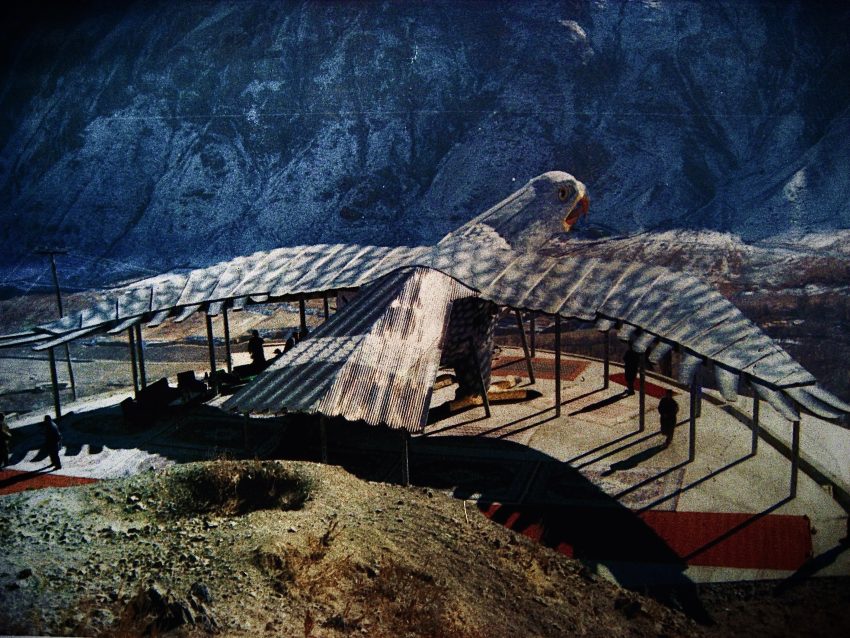
The Eagle's Nest

Menu
  • Home
  • About Us
  • Sayed Kayan
  • Eagle of Kayan
  • Blog
  • Videos
  • Contact Us
  • Gift Shop
0
Menu
0

Author: Kayan Valley

Amitabh Bachchan’s 1991 Visit to Kayan Valley

Posted on March 10, 2024June 6, 2025 by Kayan Valley

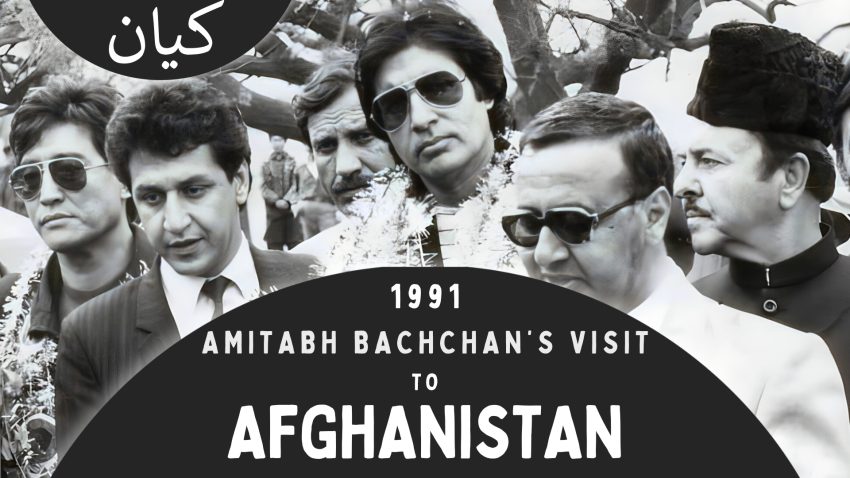
In the spring of 1991, a remarkable and unforgettable event took place in the heart of Afghanistan’s northern highlands. Kayan Valley, known for its natural beauty, cultural depth, and spiritual significance, proudly welcomed one of India’s most beloved film stars — Amitabh Bachchan — during the filming of the legendary Bollywood movie Khuda Gawah.

Amitabh Bachchan, accompanied by director Mukul S. Anand and a small team, traveled to Afghanistan to shoot key scenes of Khuda Gawah, a film that portrayed Afghan culture, honor, and traditional sports like Buzkashi. While much of the filming took place near Kabul and Mazar-e-Sharif, it was in Kayan Valley — the spiritual center of Afghanistan’s Ismaili community — where one of the most heartfelt moments of the journey unfolded.

Led by Sayed Mansur Naderi, the respected leader of the Afghan Ismailis, the people of Kayan Valley organized a grand and sincere welcome for the visiting Indian guests. Villagers gathered in large numbers, lining the roads and rooftops, expressing joy and admiration with claps, smiles, and chants of “Khush Amadeed” (Welcome). The warm reception highlighted the deep cultural connection Afghans have always had with Indian cinema and the values it shares — love, loyalty, courage, and family.

As a gesture of Afghan hospitality and high respect, Sayed Mansur Naderi presented Amitabh Bachchan with a beautiful Afghan horse — a symbol of honor in Afghan tradition. This moment remains etched in the memory of the local people and has been recalled by Bachchan himself in several interviews as one of the most extraordinary experiences of his life.

Despite the challenges of the time — with Afghanistan facing internal conflict and political uncertainty — the visit to Kayan Valley took place in an atmosphere of peace, protection, and genuine hospitality. It became a symbol of what is possible when culture, art, and goodwill come together.

More than thirty years later, the people of Kayan still remember that day with pride. The memory of Amitabh Bachchan riding through the valley, meeting elders and youth, and being honored as a guest of the community is not just part of Kayan’s history — it is a part of Afghanistan’s shared cultural journey with the region and beyond.

At Kayan Valley, we cherish this moment as a proud chapter in our story — a time when art brought people together and showed the world the true spirit of Afghan hospitality.

Kayan Valley: The Second Eagle’s Nest in Ismaili History

Posted on March 5, 2024August 31, 2024 by Kayan Valley

In the Ismaili history, the term “Eagle’s Nest” (Alamut) remains a significant and enduring symbol, intrinsically linked to the struggles and achievements of Hassan-i-Sabbah. Hassan-i-Sabbah, a pivotal figure in the Ismaili movement during the 11th century CE, initiated the Nizari Ismaili mission following the Fatimid Caliphate’s era in Egypt by capturing the fortress of Alamut in Khorasan. For over 170 years, the Ismailis established their rule at Alamut, marking a crucial period in the history of Ismailism and Shi’ism. This period was characterized by intense opposition to the Abbasid Caliphate and the Seljuk Empire, with the Ismailis employing strategic and defensive measures reminiscent of an eagle’s precision and strength.

In the past two centuries, Kayan Valley has emerged as another significant center of Ismaili leadership in Khorasan, now known as Afghanistan. Some accounts refer to Kayan as the “Second Eagle’s Nest” in Ismaili history, following Alamut.

Kayan: The Second Eagle’s Nest

Kayan is a valley located 30 kilometers west of Doshi district in Baghlan Province. The valley is home to Sayyids and Hazaras, including a family of Sayyids of Hussaini lineage. This family, originally from Iraq, migrated to Iran and eventually settled in Afghanistan. Their ancestor, Abdal Sahib, was a respected figure, and his descendants have continued to command respect for their honesty, faith, and dedication to the community. The family’s integrity earned them admiration even from non-Ismailis.

Shah Abdul Hadi, the grandson of Abdal Sahib, lived in Kayan Valley during the reign of Amir Sher Ali Khan. He was encouraged by the Ismailis of the region and neighboring northern areas to visit Imam Hasan Ali Aga Khan I, the leader of the Ismaili community, to represent their concerns. At that time, the previous representative of the Imam in Afghanistan had been from India, and his unfamiliarity with Afghan customs and culture had posed challenges for the community. Funds were raised, and Shah Abdul Hadi traveled to Kerman, Iran, where he met with the Imam. Upon his return, he was appointed as the representative of the Ismailis in Afghanistan, guiding them with wisdom and compassion.

After Shah Abdul Hadi’s passing, his son, Sayed Hussain, a knowledgeable and reputable figure, succeeded him as the Imam’s representative. Sayed Hussain was highly regarded, and his reputation spread far and wide. He had seven sons, and after his death, his son, Sayed Jafar Khan, assumed the leadership. Sayed Jafar Khan was known for his exceptional knowledge and leadership skills, earning the respect of Amir Sher Ali Khan, with whom he maintained a close relationship. This relationship fostered strong ties between the Afghan ruler and Imam Hasan Ali Aga Khan.

Sayed Jafar Khan passed away in 1894, and his son, Sayed Gohar Khan, was appointed as the Imam’s representative by Aga Ali Shah, Aga Khan II. Sayed Gohar Khan served the Ismaili community in Afghanistan until his death in 1898. His son, Sayed Fraidoon Khan, succeeded him and continued to provide valuable leadership until his passing in 1909. The leadership then passed to Sayed Timur Shah Khan, who served the community with patience and skill until his death. The leadership transitioned to Sayed Nader Shah Khan, appointed by Sultan Muhammad Shah, Aga Khan III. Sayed Nader Shah Khan was a distinguished scholar and mystic of the 20th century, respected by people of various faiths in Afghanistan. His contributions to the Ismaili community were profound, including the authorship of 54 religious and mystical books. For his invaluable services, he was honored with high titles by the Imam until his passing in 1971.

Following his death, his eldest son, Sayed Shah Nasir, was appointed as the Imam’s representative. Sayed Shah Nasir devoted himself to serving the community until he was released from prison during Babrak Karmal’s regime. Upon his release, he, with the advice of his brother Sayed Mansur Naderi, left Afghanistan for England. He entrusted his brother with the leadership of the Afghan Ismailis.

The Leadership of Sayed Mansoor Naderi

Sayed Mansur Naderi’s tenure as the leader of the Ismaili community in Afghanistan is considered a golden era in their history. His unique leadership and foresight gave the marginalized Ismaili community a renewed national identity, making them significant players in Afghanistan’s political landscape. During the regimes of Babrak Karmal and Dr. Najibullah, Sayed Mansur Naderi played a pivotal role as a trusted mediator between the government and the Mujahideen. Kayan became renowned as a center for peace and major national discussions during this period.

As the civil war intensified, establishing a strong military and political base to defend the rights of the Ismailis became increasingly important. Recognizing this need, Sayed Mansur Naderi organized a military unit and obtained government authorization to form the 513th Tribal Regiment in the Doshi district. This regiment quickly expanded into a brigade and eventually into a corps, with the Ismaili military forces under the leadership of General Sayed Jafar Naderi, son of Sayed Mansur Naderi, operating across the northern provinces of Baghlan, Kunduz, Takhar, Badakhshan, Balkh, and Samangan. The Kayan Valley, as the center of Ismaili governance, once again played a pivotal role in their struggle, much like Alamut had centuries earlier. For the first time in Ismaili political history, Sayed Mansur Naderi was appointed Vice President of the Islamic State of Afghanistan.

Post-Taliban Era and the Ismaili Community’s Role (2001-2021)

Following the fall of the Taliban regime in 2001, the Ismailis of Afghanistan, under the leadership of Sayed Mansur Naderi, played a significant role in promoting democracy and rebuilding the country. Sayed Mansur Naderi emerged as a prominent political and national figure, with his influence so strong that President Hamid Karzai announced his second-term presidential agenda at a large Ismaili gathering in Kayan.

Over the 20 years of democracy (2001-2021), the Afghan Ismailis made notable contributions to politics, nation-building, reconstruction, and efforts to end the war and establish peace in Afghanistan.

The legacy of leadership and resilience in Kayan Valley continues to resonate in the history of the Ismailis, symbolizing the enduring spirit of the community and representing the second “Eagle’s Nest” in their storied history.

Note: Sayed Mansur is also spelled as Sayed Mansoor or Sayed Mansour in various sources.
Eagle Symbolism in Ismaili Culture and Heritage

Posted on February 21, 2024August 30, 2024 by Kayan Valley

In Islamic culture, the eagle holds a significant and exalted position. A well-known narrative, brought to life in poetic form by the esteemed Rumi in his work, the Masnavi, illustrates the eagle as a benevolent bird towards the Prophet Muhammad (PBUH). The story tells of a moment when the Prophet was about to put on his sandals, only for an eagle to swoop down and seize them, carrying them high into the air. The sandals were then dropped, revealing a hidden black snake within. The eagle returned the sandals, earning the Prophet’s gratitude and affection.

Particularly within the context of Ismaili culture, the name “eagle” evokes memories of the courageous followers of the Ismaili faith. From the early days of their activities in ancient Iran to the present, Ismaili leaders have been symbolically linked to the attributes of the eagle, such as bravery, valor, and ambition.

The first center of Ismaili leadership in Iran was established in a high fortress known as “Alamut,” often referred to as the “Eagle’s Nest.” According to various linguistic sources, “Alamut” is derived from the Persian words “Alah” meaning eagle, and “Amut,” signifying nest or abode. Alamut, perched atop a mountain peak, was nearly impregnable and challenging to conquer.

It is said that one of the kings of the Daylamites released an eagle for hunting and followed it to this location. Impressed by the height and stability of the place, he decided to build a fortress there, which he named “Alamut,” interpreted from the Daylamite dialect as the “Eagle’s Nest.”

Role of eagle in the history of Ismaili – Narration by Saleh mohammad Khaleeq in Dec 1996

Zakariya ibn Muhammad al-Qazwini (d. 1283 AD) in his work Marvels of Creatures and Strange Things Existing as well as in The Monuments of the Lands, perceived Alamut in the same context, recounting a story similar to the one mentioned above.

Hamidullah Mustawfi, in his Tarikh-i-Guzida and Nuzhat al-Qulub, states: “At first, the fortress was called ‘Alah Amut,’ meaning the ‘Eagle’s Nest,’ where young eagles were trained, and over time, it became known as Alamut.”

This famous fortress, located between Qazvin and Gilan, became a significant ideological, political, and military base under the Seljuk rulers starting from the year 1090 AD. It was also the stronghold of the resolute and prominent Ismaili leader, Hassan-i-Sabbah, who is often referred to as the “Eagle of Alamut.” For 171 years, this fortress served as the leadership center for the Ismailis of Iran, leading to the designation of Hassan-i-Sabbah as the “Eagle of Alamut,” and his followers as the “Alamutis,” or “Eagle Nesters.”

It is also noteworthy that another center of courageous and enlightened Ismaili activities, led by the da’i Nasir Khusraw Balkhi in Khorasan, had a connection to the eagle’s abode. This stronghold was nestled in the towering mountains of Badakhshan, specifically in the beautiful valley of Yamgan, known as the eagle’s nesting and flying ground. Even today, the mountainous regions of Kayan Valley in Baghlan and the rugged, mountainous areas of Shighnan and other parts of Badakhshan are home to the “Alamutis.” The eagle, its name, and its image remain a powerful symbol for every Ismaili, recalling the “Eagle of Alamut” and the legendary Simurgh of Qaf in Yamgan.

Source: The book “The Eagle” by Saleh Mohammad Khaleeq.

Afghanistan Ismaili Military Leadership Uncovered in ‘The Warlord of Kayan’

Posted on February 10, 2024August 31, 2024 by Kayan Valley

“The Warlord of Kayan” is a documentary produced by Jeff B. Harmon in 1989 that explores the history and significance of the Kayan Valley in Afghanistan, focusing on Sayed Jaffar Naderi. In the film, Sayed Jaffar Naderi is portrayed as the head of the military force for the Ismaili community in Afghanistan.

The documentary provides an in-depth look at Sayed Jaffar Naderi’s role during the Soviet-Afghan War and the civil conflicts that followed. As the military leader, Sayed Jaffar was responsible for organizing and leading the defense of the Kayan Valley, a region that became a stronghold for the Ismailis during this period of intense conflict. The film highlights his strategic acumen, his ability to command loyalty, and his efforts to protect his community in a time of widespread instability.

A significant aspect of the documentary is its portrayal of the Ismailis’ unique position as power brokers in the Afghan conflict. According to the film, the Ismaili community, under the leadership of Sayed Mansur and Sayed Jaffar Naderi, acted as intermediaries between the Soviet-backed administration of Dr. Najibullah and the Mujahideen forces. The documentary suggests that both sides trusted the Ismaili forces, leading them to attend meetings in the Kayan Valley. Sayed Jaffar Naderi mentions in the film that they hosted both government officials and various Mujahideen groups in the valley, ensuring that these opposing factions were unaware of each other’s presence. This role as a mediator added a significant dimension to the Ismaili military power, positioning the community as a crucial player in the complex dynamics of the Afghan conflict.

Through archival footage, interviews with historians, and firsthand accounts, the documentary paints a comprehensive picture of Sayed Jaffar Naderi’s military leadership and the broader influence of the Ismaili community during this turbulent period. It explores how Sayed Jaffar managed to build and maintain a formidable military force that played a crucial role in the defense of the Ismailis, while also engaging in delicate diplomatic efforts that involved both sides of the conflict.

While Sayed Jaffar Naderi’s military role is central to the documentary, it also acknowledges the overarching leadership of his father, Sayed Mansur Naderi. As the primary leader, Sayed Mansur Naderi’s influence extended beyond military matters, encompassing the political and spiritual guidance of the Ismaili community in Afghanistan. The documentary underscores the close relationship between father and son, highlighting how their complementary roles were vital to the survival and resilience of the Ismailis during a tumultuous period in Afghan history.

Full documentary with its English subtitles

“The Warlord of Kayan” presents a balanced view of Sayed Jaffar Naderi’s legacy, recognizing both his contributions as a military leader and the controversies that surrounded his actions. The documentary provides a nuanced portrayal, inviting viewers to consider the challenges and ethical dilemmas faced by leaders in conflict situations.

Since its release, the documentary has been praised for its detailed research and compelling narrative. It has been noted for bringing to light the story of Sayed Jaffar Naderi, offering a human dimension to the historical events it portrays. The film has sparked discussions about the role of military leaders in local conflicts and the long-term impacts of their decisions on their communities.

For those interested in the history of Afghanistan, “The Warlord of Kayan” offers valuable insights into the military leadership of Sayed Jaffar Naderi and the broader dynamics of the Afghan conflict. The documentary stands as an important contribution to understanding a critical period in the region’s history, presenting a thorough and engaging account that is both informative and thought-provoking. It highlights the complexities of leadership in times of war and diplomacy, providing a clear view of the challenges faced by those tasked with protecting and mediating for their communities.

Rawnaq Naderi: A Cultural Luminary in Afghan Ismaili History

Posted on January 29, 2024August 30, 2024 by Kayan Valley

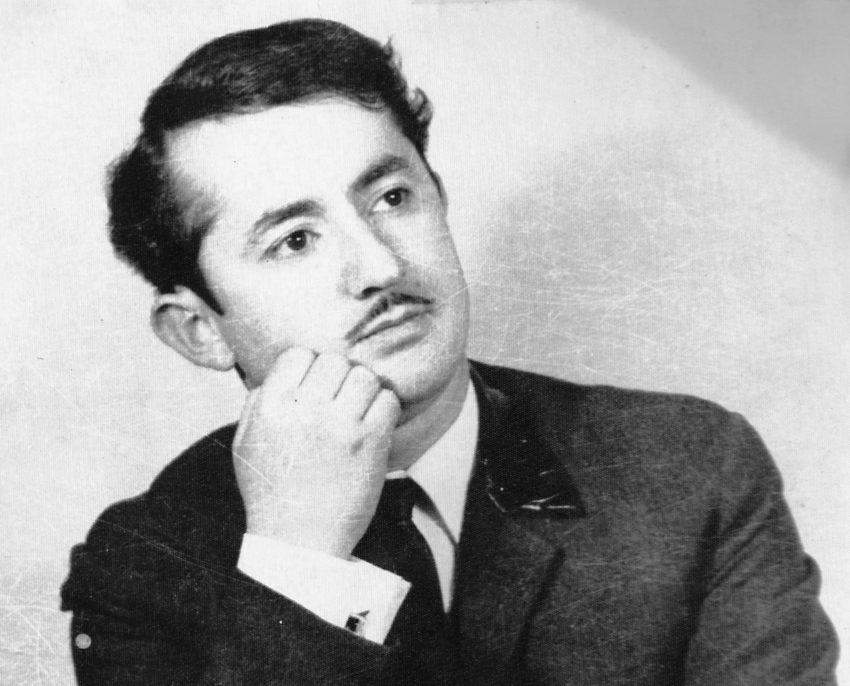
Rawnaq Naderi, also known as Sayed Nooruddin Rawnaq Naderi, was a prominent Afghan poet who made significant contributions to Persian literature. Born in 1940 in Kayan, Dushi district, Baghlan Province, Naderi is remembered as a key cultural figure among the Ismaili community in Afghanistan. His poetry, which reflects a deep connection to his cultural heritage, continues to be recognized for its literary and historical value.

A Life Influenced by Cultural and Religious Traditions

Naderi was born into a family known for its strong Islamic faith and cultural engagement. His father, Sayed Kayan, was a respected religious leader among Afghanistan’s Ismailis. The cultural and religious environment of his upbringing played an important role in shaping Naderi’s literary themes and perspectives. His work is characterized by a deep respect for the traditions and values of his community.

Contributions to Literature and Advocacy Through Poetry

Rawnaq Naderi’s poetry is marked by a commitment to themes of human dignity, justice, and cultural identity. His four major works—Ghunchaha (“The Buds”), Khun e Del (“The Heart’s Blood”), Armaghan e Zindan (“A Gift from Prison”), and Tuhfae Share (“The Poet’s Gift”)—explore complex themes such as love, loss, and resilience. These works also provide commentary on the social and political conditions of his time.

Through his poetry, Naderi addressed issues relevant to the Hazara community and Afghan society at large. His use of traditional poetic forms allowed him to engage with cultural identity while also exploring broader themes of justice and equality. Naderi’s work continues to be valued for its thoughtful engagement with the challenges faced by marginalized communities.

Enduring Legacy

Despite the challenges he faced, including imprisonment and execution by the regime of Hafizullah Amin in 1979, Naderi’s contributions to literature remain influential. His elder brother, Sayed Mansur Naderi, later became involved in efforts to defend Ismaili interests in Afghanistan, underscoring the lasting impact of the Naderi family in the country’s history.

Rawnaq Naderi’s poetry remains an important part of Afghan cultural heritage. It offers valuable insights into the social and cultural issues of his time while advocating for greater inclusion and justice within society.

The Hazara Community and Naderi’s Poetic Voice

Naderi’s poetry also reflects the experiences of the Hazara people, particularly during periods of historical difficulty. His incorporation of the Hazaragi dialect into his work highlights the unique culture and challenges of the Hazara community. Despite the significance of his contributions, Naderi’s poetry has not always been widely recognized in Afghan literary studies, pointing to a broader issue of representation for minority voices in the country’s cultural narrative.

Scholars have noted the importance of Naderi’s work in preserving Hazara cultural identity and documenting the community’s experiences. His poetry, which includes social and political critique, offers a nuanced perspective on the struggles faced by the Hazara people.

Reevaluating Naderi’s Role in Afghan Literature

Dr. Freba Farhat Saifi, in her study “Social Rheumatism in Rawnaq Naderi’s Poems,” discusses the relationship between Naderi’s poetry and the societal challenges of his era. Her research, which draws on discussions with Naderi’s family, aims to reintroduce his work to contemporary readers. Naderi’s poetry is noted for its exploration of societal and personal challenges, offering a reflective view of the collective experiences of his community.

Rawnaq Naderi’s contributions to literature continue to be recognized for their depth and cultural significance. His work remains a key part of Afghanistan’s literary heritage, providing insight into the cultural and social dynamics of his time.

  • Previous
  • 1
  • 2
  • 3
Bring the Beauty of the Hindukosh into Your Home
Get a stunning framed canvas of the Hindukosh Mountain view from Kayan Valley – perfect for your wall.

Recent Posts

  • Ismaili Imamat Pledges €100 Million to Syria’s Recovery at European Commission ConferenceMarch 18, 2025
  • Aga Khan V Ascends as the 50th Hereditary Imam of Ismaili MuslimsFebruary 13, 2025
  • Hakim Nasir Khusraw: Poet, Philosopher, and Ismaili VisionaryOctober 11, 2024
  • How the Ismailis of Tajikistan Reconnected with the Imamat DivanAugust 5, 2024
  • Kayan Valley’s Healthcare Initiatives for the Ismailis of Badakhshan, AfghanistanAugust 2, 2024

©2024 Kayan Valley

  • Home
  • Privacy Policy
  • Terms of Use
  • Return & Refund Policy