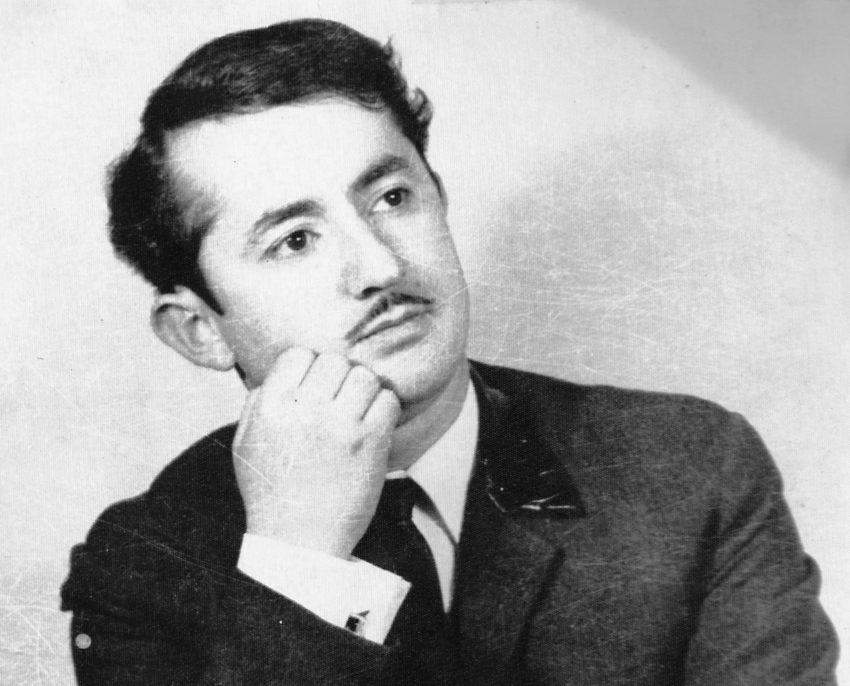
Rawnaq Naderi, also known as Sayed Nooruddin Rawnaq Naderi, was a prominent Afghan poet who made significant contributions to Persian literature. Born in 1940 in Kayan, Dushi district, Baghlan Province, Naderi is remembered as a key cultural figure among the Ismaili community in Afghanistan. His poetry, which reflects a deep connection to his cultural heritage, continues to be recognized for its literary and historical value.
A Life Influenced by Cultural and Religious Traditions
Naderi was born into a family known for its strong Islamic faith and cultural engagement. His father, Sayed Kayan, was a respected religious leader among Afghanistan’s Ismailis. The cultural and religious environment of his upbringing played an important role in shaping Naderi’s literary themes and perspectives. His work is characterized by a deep respect for the traditions and values of his community.
Contributions to Literature and Advocacy Through Poetry
Rawnaq Naderi’s poetry is marked by a commitment to themes of human dignity, justice, and cultural identity. His four major works—Ghunchaha (“The Buds”), Khun e Del (“The Heart’s Blood”), Armaghan e Zindan (“A Gift from Prison”), and Tuhfae Share (“The Poet’s Gift”)—explore complex themes such as love, loss, and resilience. These works also provide commentary on the social and political conditions of his time.
Through his poetry, Naderi addressed issues relevant to the Hazara community and Afghan society at large. His use of traditional poetic forms allowed him to engage with cultural identity while also exploring broader themes of justice and equality. Naderi’s work continues to be valued for its thoughtful engagement with the challenges faced by marginalized communities.
Enduring Legacy
Despite the challenges he faced, including imprisonment and execution by the regime of Hafizullah Amin in 1979, Naderi’s contributions to literature remain influential. His elder brother, Sayed Mansur Naderi, later became involved in efforts to defend Ismaili interests in Afghanistan, underscoring the lasting impact of the Naderi family in the country’s history.
Rawnaq Naderi’s poetry remains an important part of Afghan cultural heritage. It offers valuable insights into the social and cultural issues of his time while advocating for greater inclusion and justice within society.
The Hazara Community and Naderi’s Poetic Voice
Naderi’s poetry also reflects the experiences of the Hazara people, particularly during periods of historical difficulty. His incorporation of the Hazaragi dialect into his work highlights the unique culture and challenges of the Hazara community. Despite the significance of his contributions, Naderi’s poetry has not always been widely recognized in Afghan literary studies, pointing to a broader issue of representation for minority voices in the country’s cultural narrative.
Scholars have noted the importance of Naderi’s work in preserving Hazara cultural identity and documenting the community’s experiences. His poetry, which includes social and political critique, offers a nuanced perspective on the struggles faced by the Hazara people.
Reevaluating Naderi’s Role in Afghan Literature
Dr. Freba Farhat Saifi, in her study “Social Rheumatism in Rawnaq Naderi’s Poems,” discusses the relationship between Naderi’s poetry and the societal challenges of his era. Her research, which draws on discussions with Naderi’s family, aims to reintroduce his work to contemporary readers. Naderi’s poetry is noted for its exploration of societal and personal challenges, offering a reflective view of the collective experiences of his community.
Rawnaq Naderi’s contributions to literature continue to be recognized for their depth and cultural significance. His work remains a key part of Afghanistan’s literary heritage, providing insight into the cultural and social dynamics of his time.