Kayan Valley

The Eagle's Nest

Menu
  • Home
  • About Us
  • Sayed Kayan
  • Eagle of Kayan
  • Blog
  • Videos
  • Contact Us
  • Gift Shop
0
Menu
0

Blog

Ismaili Imamat Pledges €100 Million to Syria’s Recovery at European Commission Conference

Posted on March 18, 2025March 18, 2025 by Kayan Valley

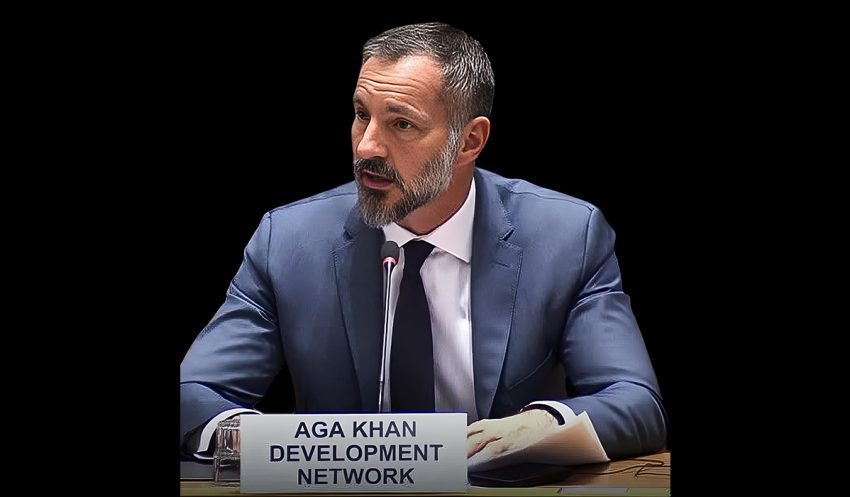
The Ismaili Imamat has pledged €100 million to support Syria’s recovery and humanitarian needs, as announced by His Highness Prince Rahim Aga Khan during the ninth annual European Commission conference in support of Syria. The conference, titled “Standing with Syria: Meeting the Needs for a Successful Transition,” focused on mobilizing international support for Syria’s reconstruction and long-term stability.

Speaking at the event, His Highness Prince Rahim Aga Khan, in his first public engagement since assuming office as the 50th hereditary Imam of the Shia Ismaili Muslims and Chair of the Aga Khan Development Network, reaffirmed the Imamat’s commitment to addressing Syria’s pressing challenges. On behalf of the Ismaili Imamat and the Aga Khan Development Network, he announced a commitment of at least €100 million over the next two years. The pledge will support efforts to expand healthcare and education, strengthen food security, invest in renewable energy, and preserve Syria’s cultural heritage. He emphasized that achieving meaningful progress would require an end to violence and a shared commitment to peace by all parties.

The conference, co-hosted by senior European Union officials, gathered representatives from Syria’s interim government, the United Nations, and regional and international partners. Discussions centered on the humanitarian crisis and the country’s path to reconstruction. EU High Representative for Foreign Affairs Kaja Kallas stressed the need for an inclusive transition that reflects the aspirations of all Syrians. On the sidelines of the event, Prince Rahim Aga Khan met with key international figures, including Syria’s Interim Foreign Minister, United Nations officials, and representatives from donor countries, reaffirming the Imamat’s engagement in global partnerships for Syria’s recovery.

The Aga Khan Development Network has been actively involved in Syria’s development for over 25 years. Since 2012, its focus has shifted to crisis response, providing support to more than two million people across the country. With a workforce of over 780 professionals, mostly Syrians, and more than 700 volunteers, AKDN continues to operate in critical areas, including healthcare, education, economic development, and cultural restoration. Working alongside international partners such as the European Commission, Germany, Switzerland, Japan, and the United Nations, AKDN remains committed to long-term recovery efforts.

Syria continues to face severe economic and humanitarian challenges. Over 80 percent of the population lives in poverty, with food insecurity affecting nearly 60 percent of Syrians. Half of the country’s healthcare facilities remain non-functional, and millions of children are out of school. Access to clean water and electricity has deteriorated, further complicating daily life. The €100 million pledge by the Ismaili Imamat aims to alleviate some of these challenges by fostering resilience, supporting humanitarian assistance, and contributing to the country’s sustainable development.

As the crisis in Syria reaches a critical juncture, international support remains essential in shaping a stable and inclusive future. The Ismaili Imamat’s pledge highlights its broader mission of humanitarian aid and development, reinforcing its commitment to improving lives and strengthening communities in Syria and beyond.

Aga Khan V Ascends as the 50th Hereditary Imam of Ismaili Muslims

Posted on February 13, 2025March 18, 2025 by Kayan Valley

A defining moment in the history of the Ismaili Muslim community took place today as Shah Rahim Al-Hussaini, Prince Aga Khan V, officially became the 50th hereditary Imam. His formal enthronement, or Takht-nishini, was held at the Ismaili Imamat’s Diwan in Lisbon, Portugal, signifying his assumption of spiritual leadership over millions of Ismaili Muslims worldwide.

For the first time ever, the event was broadcast live to Ismaili Jamatkhanas and community centers across the globe, allowing millions of followers to witness this pivotal transition simultaneously. This shared experience of watching the ceremony underscored the unity and collective spirit of the community.

Attending the event were prominent Ismaili leaders, including the Chairman of the Ismaili Leaders’ International Forum (LIF) and the Presidents of various National Ismaili Councils. They offered their formal pledges of allegiance to the new Imam, reaffirming the enduring legacy of the hereditary Imamat, which traces its roots to Hazrat Mawlana Ali, the first Imam of the Shia tradition.

As part of the traditional enthronement ceremony, Aga Khan V was presented with significant symbols of leadership, including the Holy Qur’an, the Ismaili Constitution, a ceremonial sword, and an inkwell. These items represent both spiritual authority and the Imam’s role in guiding the community. The ceremony also featured recitations of key Quranic verses and prayers in various languages, such as Arabic, Persian, Dari, and South Asian munajats, showcasing the rich cultural diversity of the Ismaili faith.

In his inaugural speech, Aga Khan V expressed heartfelt gratitude to his family, the Ismaili community, and his late father, Aga Khan IV. He reaffirmed his commitment to advancing the spiritual and material welfare of the Ismailis, emphasizing principles such as peace, social responsibility, environmental stewardship, and ethical leadership. He also called upon Ismailis to take an active role in addressing global challenges, particularly climate change.

As a token of respect, a rare 16th-century manuscript titled Munajat Hazrat Ali Amir al-Mu’minin was presented to Aga Khan V. This manuscript, which includes prayers attributed to Hazrat Ali, is adorned with intricate gold detailing and Persian translations, reflecting the deep cultural and spiritual heritage of the Ismaili community.

The enthronement not only marked the beginning of a new chapter for the Ismaili community but also reinforced its ongoing commitment to service, education, and humanitarian work under Aga Khan V’s leadership.

Aga Khan IV: A Legacy of Service and Global Contributions

The enthronement of Aga Khan V follows the passing of his father, His Highness Shah Karim Al-Hussaini, Aga Khan IV, who died on February 4, 2025, at the age of 88. Having served for 67 years, Aga Khan IV was one of the longest-serving spiritual leaders in modern history, celebrated for his humanitarian contributions and his steadfast commitment to pluralism.

Under his leadership, the Aga Khan Development Network (AKDN) grew into one of the world’s largest and most influential private development organizations. It operates in over 30 countries, focusing on education, healthcare, economic development, cultural preservation, and humanitarian relief.

Aga Khan IV’s efforts to improve healthcare were especially notable. His vision led to the establishment of Aga Khan University (AKU) and Aga Khan University Hospital (AKUH) in Karachi, Pakistan. AKUH, the first hospital in the region to achieve Joint Commission International (JCI) accreditation, became a pioneer in medical education and healthcare delivery, particularly in South Asia and East Africa.

He also championed the preservation of cultural heritage, overseeing the restoration of historical landmarks in countries such as Egypt, India, Afghanistan, and Pakistan. These efforts ensured the integration of cultural history into modern development initiatives.

Following his passing, a state-like funeral ceremony was held at the Ismaili Centre in Lisbon on February 8, 2025, attended by dignitaries, family, and community leaders. His funeral was a solemn occasion, reflecting his lifelong dedication to humanitarian work. He was laid to rest in a private ceremony in Aswan, Egypt, on February 9, overlooking the Nile River—an area of profound cultural and spiritual significance.

The Grant of ‘His Highness’ Title to Aga Khan V

In a long-standing tradition, Prince Aga Khan V has been granted the title “His Highness” by King Charles III of the United Kingdom. This title, which has been conferred upon each Imam of the Ismaili community, was formally granted on February 10, 2025, in recognition of Aga Khan V’s role as the 50th hereditary Imam and his spiritual leadership of millions of Ismaili Muslims worldwide.

The tradition of granting this title to the Imam began with Aga Khan I, the first hereditary Imam, and has continued with successive Imams. The British monarchy’s recognition of the Ismaili Imam’s leadership reflects the long-standing relationship between the Ismaili community and the United Kingdom. The title of “His Highness” was first awarded to Aga Khan III by Queen Victoria in 1886, when he was only 9 years old. This practice continued with Aga Khan IV, who was also granted the title by Queen Elizabeth II shortly after he assumed the role of Imam in 1957.

The conferring of the title “His Highness” to the new Imam signifies both the religious leadership of the Imam and his contributions to global development, including in education, healthcare, and interfaith dialogue, aligning with the royal family’s recognition of the Ismaili Imams’ significant global influence.

Hakim Nasir Khusraw: Poet, Philosopher, and Ismaili Visionary

Posted on October 11, 2024October 11, 2024 by Kayan Valley

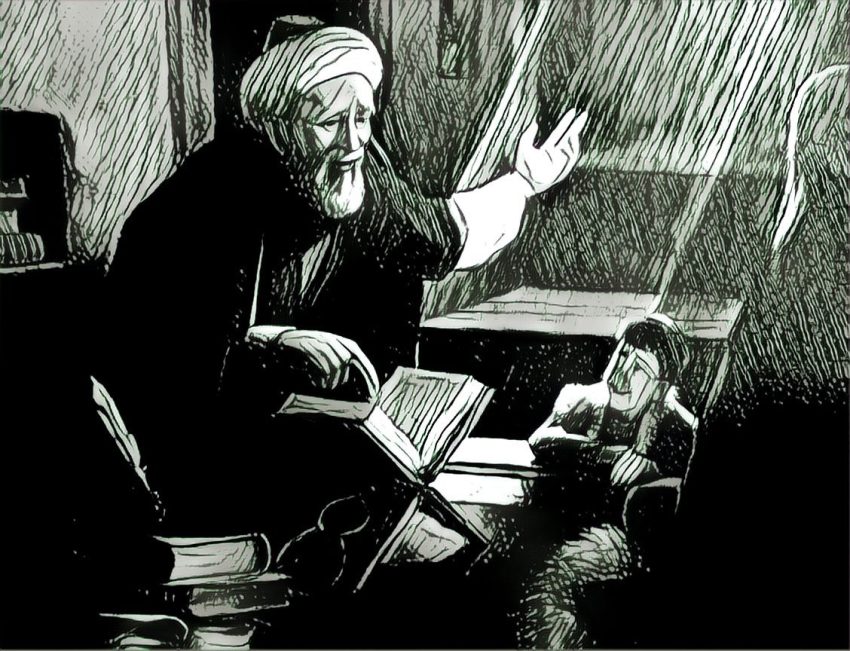
Hakim Nasir Khusraw Balkhi was a distinguished Ismaili Dai (missionary), philosopher, poet, and traveler, revered as a scholar and spiritual guide. Born in 1004 AD in Qubadiyan, near Balkh, he emerged as one of the most influential figures of 11th-century Iran, standing alongside such luminaries as Omar Khayyam, Hasan bin Sabbah, and Al-Mu’ayyad fid-Din al-Shirazi.

Nasir Khusraw, often hailed as the “Wisdom of the East,” was an erudite scholar whose works profoundly shaped Persian literary history. His full name was Abu Muinuddin Nasir-i Khusraw, and he sometimes referred to himself as Marwazi Qubadiyani, indicating his roots in the Marw region.

Born into a family of landowners during the era of Sultan Mahmud of Ghazni, Nasir Khusraw dedicated his early years to acquiring knowledge. He became a master in various fields, memorizing the Quran and becoming proficient in Islamic traditions and religious interpretations. His studies extended beyond religious texts to include the Bible, philosophical works of Socrates, Plato, and Aristotle, as well as subjects like mathematics, astronomy, medicine, and languages, including Hebrew, Sanskrit, Arabic, Persian, Turkish, and Greek.

Initially, Nasir Khusraw worked in government service under the Ghaznavid and Seljuq administrations, but his life took a transformative turn in his mid-40s after a significant spiritual awakening. He experienced a profound dream that urged him to seek wisdom and abandon worldly distractions, leading to his conversion to Ismailism during his travels to Egypt, where he encountered the teachings of the Fatimid Imams.

This conversion marked a new chapter in his life as he embraced his role as a Hujjat (high-ranking Ismaili missionary) of Khurasan. Nasir Khusraw’s journey took him to Egypt, where he was deeply influenced by the splendor and wisdom of the Fatimid Caliphate under Imam Al-Mustansir Billah. His writings reflect admiration for the Fatimid governance, its just administration, and its pursuit of knowledge, particularly at Al-Azhar, one of the world’s oldest universities.

In his later years, Nasir Khusraw returned to Khurasan, where he passionately spread the teachings of the Ismaili faith. His advocacy for the Fatimid Imams earned him the respect of many but also attracted persecution from opponents of the Fatimid cause. He eventually sought refuge in the remote region of Yamgan, where he continued his work as a missionary, educating and guiding his followers.

Nasir Khusraw’s literary contributions are vast, with his most renowned works including the “Diwan,” a collection of philosophical and religious poetry, and the “Safarnama,” a travelogue documenting his journeys and reflections. His other significant works include “Zad al-Musafirin,” a treatise on metaphysical and cosmological themes, and “Wajh-i Din,” which elucidates Ismaili doctrine through allegorical interpretations of Islamic teachings.

His philosophical and poetic expressions were deeply rooted in his spiritual convictions, blending his intellectual pursuits with his devotion to the Ismaili faith. Nasir Khusraw emphasized the importance of spiritual enlightenment, viewing it as superior to mere philosophical knowledge, a belief he conveyed powerfully in his writings.

Nasir Khusraw’s legacy extends beyond his writings; he is credited with spreading Ismaili teachings across regions that include present-day Afghanistan, Tajikistan, Iran, and beyond. His mausoleum in Yamgan remains a revered shrine, symbolizing his enduring influence on Islamic thought and Persian literature.

Hakim Nasir Khusraw Balkhi’s wisdom and contributions continue to be celebrated, his name synonymous with spiritual and intellectual excellence, and his works remain a testament to the rich heritage of Ismaili philosophy and Persian literary tradition. His life serves as a beacon of knowledge, guiding future generations toward the pursuit of truth and enlightenment.

How the Ismailis of Tajikistan Reconnected with the Imamat Divan

Posted on August 5, 2024September 12, 2024 by Kayan Valley

In 1989, the Ismailis of Tajikistan, particularly those in the remote mountainous region of Badakhshan, reestablished their long-lost connection with the central Imamat Divan of the Ismaili community. This reconnection, facilitated by Sayed Mansur Naderi, brought a significant turning point for a population that had been isolated from their spiritual leadership for over seven decades due to the Soviet regime.

Sayed Mansur Naderi traveled to Khorog, the capital of Badakhshan Province, where he was warmly welcomed by the local Ismaili community, who were eager to reconnect with their faith. The people of this region had been unable to openly practice their religion, and their knowledge of the Ismaili faith had significantly diminished. They implored Naderi to convey their desire for spiritual guidance and reconnection with the 49th Ismaili Imam, Prince Karim Aga Khan, to which Naderi responded by meeting the Imam and communicating the concerns of the Tajik Ismailis.

In response to this plea, Prince Karim Aga Khan dispatched Dr. Rajput, a scholar from London, to assess the situation in Tajikistan’s Badakhshan region. Dr. Rajput’s findings helped lay the foundation for new development projects aimed at uplifting the community. This culminated in the Aga Khan Development Network (AKDN) launching the Project for Rehabilitation and Development (PRDP) in 1993, which addressed urgent humanitarian needs in the region, including food distribution and economic support.

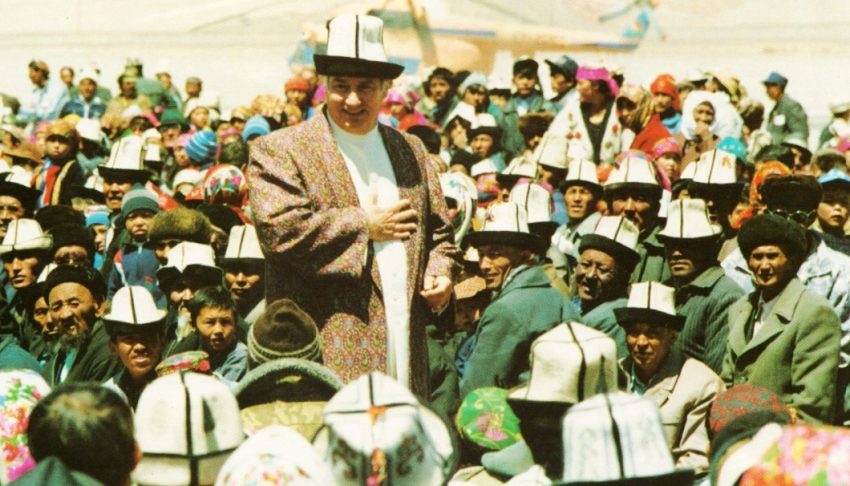
A pivotal moment in the lives of the Ismailis of Tajikistan occurred in May 1995, when Prince Karim Aga Khan made his historic first visit to the region. It was the first time in centuries that an Ismaili Imam had set foot in this part of the world. The visit was a significant milestone for the Ismailis, many of whom had waited a lifetime for this moment.

During this visit, tens of thousands of Ismailis gathered from remote villages, traveling on foot, by truck, and tractor, to catch a glimpse of their spiritual leader. In a powerful display of devotion, the Pamiris cleared rocky terrain with their bare hands to prepare for this event, ensuring the ground was ready to welcome the Imam. Across the Panj River, which separates Tajikistan from Afghanistan, Afghans gathered on their side of the river, hoping to witness the historic moment from afar.

Kathy Lally, a correspondent for the Baltimore Sun, described the emotional reception: at dawn, 50,000 people greeted Prince Karim Aga Khan in the Pamir Mountains. The Imam’s presence was a beacon of hope for a population suffering from the aftermath of the Soviet Union’s collapse and Tajikistan’s ensuing civil war. For many, this was more than a visit—it was a lifeline. In a deeply moving moment, the Aga Khan reassured his followers: “My deep and heartfelt prayers are with you for your happiness and well-being. Though I will be leaving you, please remember at all times you are in my heart, my thoughts, and my prayers.”

The Aga Khan’s visit had a profound impact on the Ismaili community in Tajikistan. It symbolized the renewal of a spiritual connection that had been severed for decades. The Imam’s continued efforts to support the Pamiris included the establishment of Khorog University, a project that served to revitalize the region’s educational infrastructure and provide opportunities for future generations.

The reconnection of the Ismailis with their Imam not only fulfilled a long-awaited spiritual need but also laid the groundwork for continued development and recovery in Tajikistan. Under the Aga Khan’s leadership, initiatives aimed at improving healthcare, education, and economic development helped the Pamiris recover from years of isolation and hardship.

Sayed Mansur Naderi’s role in facilitating this reconnection was pivotal. His efforts in bridging the gap between the Ismailis of Tajikistan and their spiritual leadership allowed the community to reclaim its religious identity and embark on a path of renewal. The Aga Khan’s historic visit to Badakhshan in 1995, aided by the groundwork laid by Naderi, remains a defining moment for the Ismaili community of Tajikistan.

Kayan Valley’s Healthcare Initiatives for the Ismailis of Badakhshan, Afghanistan

Posted on August 2, 2024September 8, 2024 by Kayan Valley

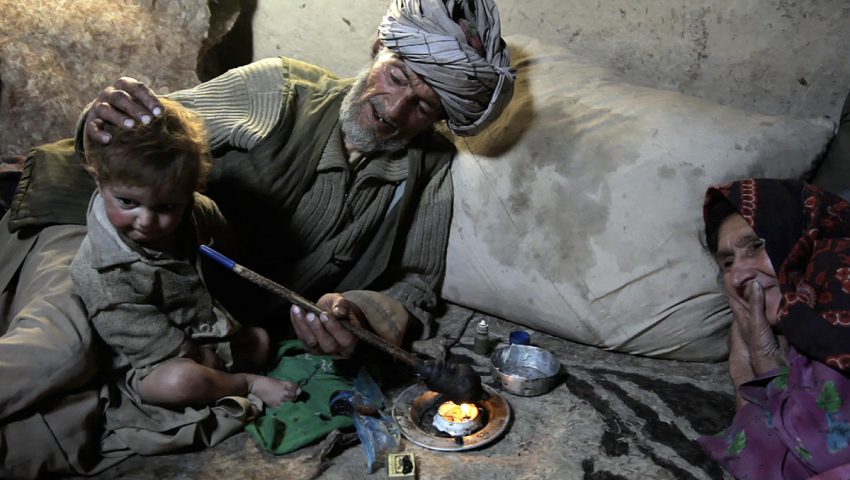
The Ismaili population in Badakhshan, Afghanistan, has historically faced significant challenges due to the region’s isolation and lack of infrastructure. Many of the districts where Ismailis reside are remote, with limited access to basic healthcare services. Most of these regions are landlocked, with poor or nonexistent road networks, making it difficult for residents to travel to cities or medical facilities. In these circumstances, addressing healthcare needs was a priority, especially given the widespread issue of opium addiction.

During the late 1980s, Sayed Mansur Naderi took on the challenge of improving healthcare for the Ismaili communities in Badakhshan. Recognizing the severity of opium addiction, which had afflicted many in the region for generations, Naderi established a full-service hospital in the Kayan Valley. This hospital provided free medical services to all, addressing not only addiction but also general healthcare needs.

Naderi mobilized a team of 20 healthcare professionals, including specialists, doctors, and nurses, who were dedicated to treating opium addiction. The team were sent to Badakhshan to work with the affected communities in the rural areas of Shugnan, Wakhan, Zebak and Ishkashim districts. Their efforts resulted in thousands of individuals receiving treatment, allowing them to overcome their addictions and return to healthier, more productive lives. This initiative was transformative for the region, offering hope and a fresh start for many families affected by addiction.

Beyond his healthcare initiatives, Naderi also contributed to improving infrastructure in various districts. He funded the construction of mosques in Ishkashim and Shighnan, providing resources to build essential communal structures. In Zebak, he distributed food to impoverished residents, further demonstrating his commitment to improving living standards. His contributions extended to Darwaz, where his initiatives helped stabilize the community, making a lasting impact on the region.

The hospital in Kayan Valley and Naderi’s broader healthcare efforts represented a significant advancement in addressing the healthcare crisis in Badakhshan. By tackling the root causes of addiction and providing free healthcare, Naderi played a vital role in the recovery and development of the Ismaili community in Afghanistan.

In conclusion, Sayed Mansur Naderi’s leadership in healthcare provision and community development in Badakhshanhelped transform the lives of thousands of Ismailis. His initiatives were instrumental in addressing long-standing issues in the region and contributed to the broader social and economic development of these isolated communities.

  • 1
  • 2
  • 3
  • Next
Bring the Beauty of the Hindukosh into Your Home
Get a stunning framed canvas of the Hindukosh Mountain view from Kayan Valley – perfect for your wall.

Recent Posts

  • Ismaili Imamat Pledges €100 Million to Syria’s Recovery at European Commission ConferenceMarch 18, 2025
  • Aga Khan V Ascends as the 50th Hereditary Imam of Ismaili MuslimsFebruary 13, 2025
  • Hakim Nasir Khusraw: Poet, Philosopher, and Ismaili VisionaryOctober 11, 2024
  • How the Ismailis of Tajikistan Reconnected with the Imamat DivanAugust 5, 2024
  • Kayan Valley’s Healthcare Initiatives for the Ismailis of Badakhshan, AfghanistanAugust 2, 2024

©2024 Kayan Valley

  • Home
  • Privacy Policy
  • Terms of Use
  • Return & Refund Policy